
2026 Digital Nomad Opportunities: The Best Countries for Remote Workers
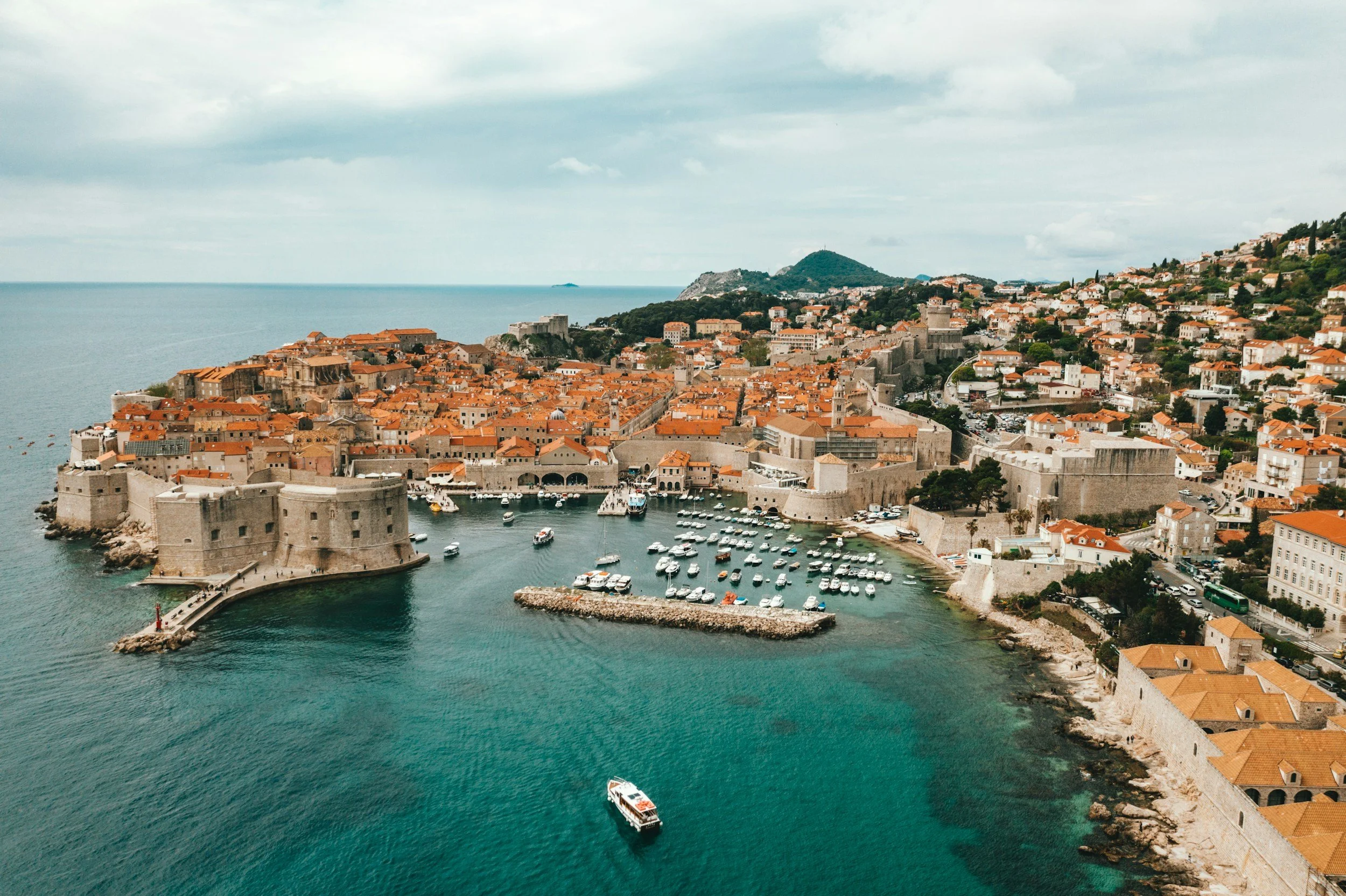
Port in Dubrovnik
And the Truth About Americans Moving to Europe
The world is opening its doors to digital nomads, but not always in the way social media suggests.
Some countries are competing aggressively for remote workers. Others offer residency pathways, but with strict requirements, long timelines, and little room for error.
If you're a digital nomad, remote professional, or someone planning a relocation in 2026, here’s the real breakdown of where you’re wanted, what’s possible, and what Americans need to know before moving to Europe.
This guide is built from two of my recent YouTube videos.
You can watch them here:
Top 10 Countries That Want Digital Nomads
How Easy Is It for Americans to Move to Europe?
Let’s get into it.
I. The Countries That Actively Want Digital Nomads in 2026
Many countries created digital nomad visas out of obligation; something trendy, something “expected.”
But a select few built policies designed specifically to attract remote workers long-term.
Here are the top 10
1. Portugal
A consistently high-ranking favorite for digital nomads, thanks to the D7 visa, the new remote work visa, and strong long-term residency pathways.
Why they want nomads: Portugal is revitalizing smaller cities and leaning into remote-worker migration as part of its economic strategy.
Best for: Remote employees and freelancers.
2. Spain
Spain’s digital nomad visa is still new but clearly intended to boost the economy and attract remote professionals.
Why they want nomads: Innovation and entrepreneurship.
Best for: People seeking sun, culture, and lifestyle.
3. Croatia
A top-tier nomad hub with clear intentions to welcome remote workers.
Why they want nomads: Off-season tourism development.
Best for: Coastal living, island-hopping, slower pace.
4. Greece
A low-cost, high-quality Mediterranean lifestyle.
Why they want nomads: Population decline and desire to modernize rural areas.
Best for: Nomads seeking affordability and beauty.
5. Estonia
The original digital nomad visa blueprint.
Why they want nomads: Tech leadership and innovation.
Best for: Entrepreneurs, designers, developers.
6. Malta
A straightforward nomad visa with accessible requirements.
Why they want nomads: Stable, long-term residents.
Best for: Professionals wanting English-speaking residency.
7. Costa Rica
One of the most lifestyle-friendly options globally.
Why they want nomads: Long-stay, higher-spending visitors.
Best for: Outdoorsy professionals and early retirees.
8. Mexico
Still one of the easiest pathways for American nomads.
Why they want nomads: Economic stimulus and simplicity.
Best for: Proximity to the U.S. and relaxed regulations.
9. Indonesia (Bali)
New long-term visas are emerging specifically for digital nomads.
Why they want nomads: Tourism and modernization.
Best for: Creatives and entrepreneurs.
10. Colombia
A rising star with an affordable nomad visa.
Why they want nomads: Startup culture and remote-worker migration.
Best for: Young nomads and budget-focused professionals.
II. Is It Actually Easy for Americans to Move to Europe? Here’s the Truth
The internet has done a great job at spreading one myth:
“Moving to Europe is easy for Americans.”
It’s not.
It’s possible, but only with documentation, income-stability, and patience.
Here’s what makes Europe more complex than people expect.
III. Why Europe Is Harder Than People Think
1. Every country has different rules
There is no universal visa for Americans.
2. Most visas don’t actually allow remote work
This is the biggest misconception in online travel content.
3. Income requirements surprise most Americans
Many visas require documented, consistent, recurring income.
4. Timelines are slow
It can take months.
5. You must apply from the U.S. in most cases
You can't simply “move first and handle paperwork later.”
6. Residency ≠ work permission
A common, expensive misunderstanding.
IV. European Countries Where Americans Have a Chance With a Strategy
Below is a realistic hierarchy.
Most Accessible
Portugal
Spain
Greece
Malta
Croatia
Moderate Difficulty
Germany (freelance visa)
Estonia
Italy
Very Difficult
France
Netherlands
Denmark
Switzerland
Austria
So no, Europe isn’t “easy.”
But with preparation, many Americans succeed.
V. The Smart Way to Prepare for a Move Abroad in 2026
Whether you choose Europe, Latin America, or Southeast Asia, the same smart strategy applies:
1. Choose your country based on your visa eligibility
Not based on Instagram aesthetics.
2. Understand which visa category you qualify for
Digital nomad, remote employee, freelancer, retiree, each path is different.
3. Get your financial documentation in order
This takes longer than people think.
4. Give yourself a 6–12 month timeline
The biggest relocation mistakes happen when people rush.
5. Use structured tools to avoid visa errors
Because visa denials mean starting over.
VI. Final Thoughts: The World Wants Digital Nomads, But Strategy Wins
You're living through one of the most nomad-friendly eras in history.
Some countries are competing for remote workers.
Others—especially in Europe—are open, but only to prepared applicants.
When you approach relocation strategically, you avoid wasted time, failed visas, and unnecessary stress.
Now it’s time to build your roadmap.
Ready to Build Your Move Abroad Plan for 2026?
If you want help choosing the right country, preparing your finances, and understanding your true visa pathways, I’ve created a complete suite of tools for digital nomads, professionals over 40, and future expats.
Explore the full collection
You’ll find:
Pick Your Ideal Country: The Expat Decision Matrix (Free)
Am I Ready to Move Abroad? (Free)
The 60-Day Relocation Planner
The Escape Plan Builder
The Digital Nomad Life Audit
The Ultimate Guide to Retirement Abroad
Move Abroad Budget Calculator
Move Abroad Financial Planner
Visa Planner & Tracker Toolkit